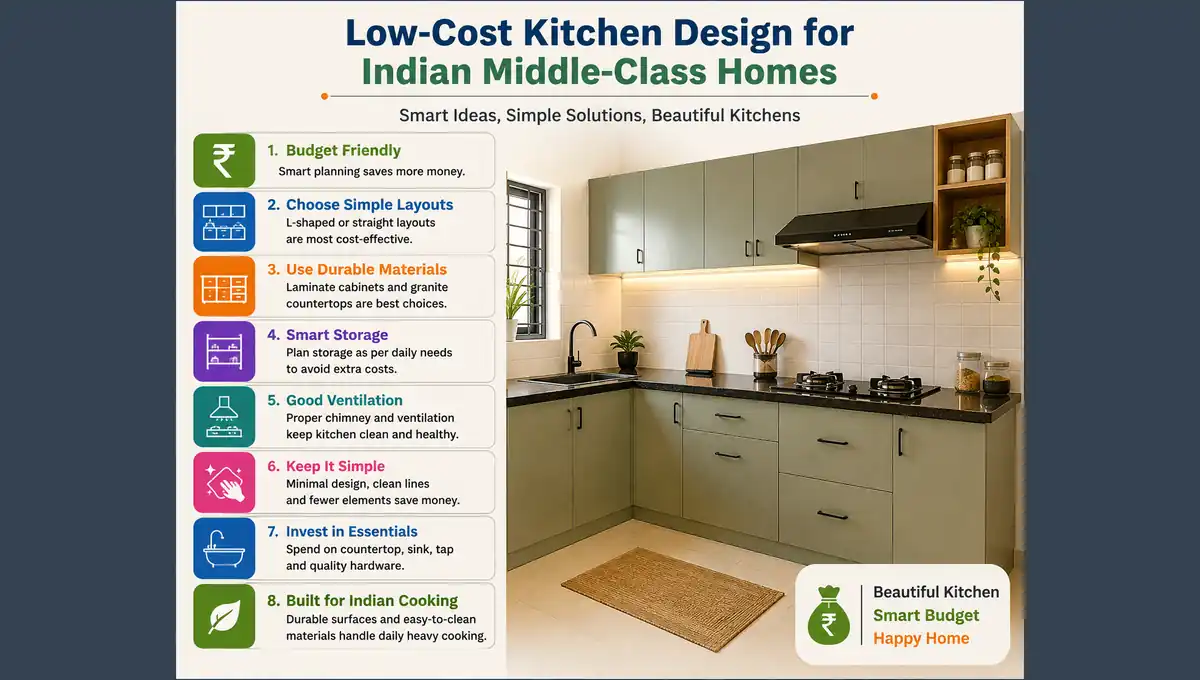

Selecting the perfect kitchen marble design transforms your cooking space into a stunning masterpiece. Natural marble brings rich textures, bright illumination, and timeless luxury to residential kitchens across India. However, heavy daily use requires careful stone selection before making a final purchase decision. Intense spice exposure, high-heat cooking, and acidic ingredients can permanently damage unsealed natural slabs.
Homeowners must understand how different marble types react to everyday wear, moisture, and cleaning routines. This comprehensive guide covers material performance, realistic pricing, colour choices, and crucial maintenance requirements to help you choose the ideal marble platform for your Indian home.
Quick Answer
Choosing marble requires balancing natural beauty with regular maintenance. Indian Makrana or Udaipur green slabs perform better than delicate imported Italian marble in active Indian kitchens. Natural marble costs ₹120 to ₹250 per square foot for raw stone, but total installed prices reach ₹300 to ₹500 per square foot after adding laying, chemical adhesives, and edge polishing.
If your daily cooking involves heavy turmeric, hot oil, or lemon usage, durable granite or non-porous quartz offers higher stain resistance and requires far less long-term maintenance.
The Reality of a Kitchen Slab Marble: Pros and Cons
A natural kitchen slab marble offers incredible visual beauty, but it presents distinct physical challenges during daily meal preparation. Marble consists primarily of calcium carbonate, which makes it softer and more porous than igneous rocks like granite.
Natural stone keeps worktops cool, which helps when rolling dough or preparing traditional flatbreads. The unique veining of a marble slab for kitchen counters ensures that no two home installations look identical.
However, acidic liquids like lemon juice, tamarind, or vinegar cause immediate surface etching. Etching is a chemical reaction that permanently dissolves the top polished layer, leaving dull light-coloured marks.
A bare marble kitchen platform acts like a dense sponge that quickly absorbs spills. Spilled mustard oil, tea, or red chilli paste will soak deep into the stone matrix if the surface lacks a protective sealer.
Structural weakness is another factor to consider when planning your counter layout. Heavy stone slabs require sturdy base cabinets built to accurate kitchen counter height standards to prevent sagging or cracking along natural fissure lines.
Best Marble for Kitchen Platform: Indian vs. Italian
Harder Indian stone varieties provide the best marble for kitchen platform applications due to their high density. Mined extensively in Rajasthan, Indian marble contains fewer surface micro-cracks than soft European imports.
Makrana marble features dense crystal structures that resist deep water absorption better than imported alternatives. Udaipur green marble offers even greater hardness, making it a rugged choice for busy Indian households.
Imported Italian varieties like Statuario, Carrara, and Botticino deliver unmatched elegance and bright white backgrounds. However, these soft stones contain high calcium concentrations that react instantly to acidic kitchen spills.
Dealers often reinforce fragile Italian slabs with fiberglass mesh backings to prevent breakage during transport. Installing delicate Italian kitchen marble on a primary cooking platform creates ongoing maintenance challenges for active families.
For most households, dense Indian marble serves as the functional choice for main cooking counters. Reserve delicate Italian slabs for low-impact areas like breakfast bars or decorative wall cladding.
Kitchen Slab Marble Colours & Design Ideas
Selecting from various kitchen slab marble colours allows you to customize your space while controlling maintenance requirements. Darker shades hide daily cooking marks, while lighter options make compact kitchens feel larger and brighter.
You can combine natural stone countertops with matching wall cladding or choose to install a backsplash using contrasting materials. Strategic colour selection helps balance aesthetics with practical daily cleaning.
White Marble Kitchen
A white marble kitchen creates a clean, luxurious backdrop that reflects overhead light throughout the room. Fine white stone pairs effortlessly with dark wooden cabinetry, metallic fixtures, and minimalist contemporary interiors.
Opting for a simple kitchen marble design with plain Makrana stone reduces visual clutter in smaller homes. However, white slabs reveal every stray drop of turmeric or coffee, requiring immediate cleanup after cooking.
Black & Grey Night Marble
Choosing black marble for kitchen counters introduces dramatic contrast and hides minor dark spills effectively. Grey night marble provides a sophisticated neutral tone that bridges white walls and dark lower cabinets seamlessly.
Dark natural stone shows fine surface scratches and whitish mineral deposits from hard tap water more noticeably than white stone. Regular buffing and proper drying keep dark surfaces looking pristine and free from water spots.
Green Marble Kitchen
A green marble kitchen offers exceptional durability alongside a classic, rich aesthetic. Mined locally, green marble contains serpentine minerals that increase its overall hardness and reduce porosity significantly.
Using green marble for your main counter effectively masks oil splashes, spice residue, and everyday cooking marks. It represents one of the most cost-effective and resilient natural stone choices for Indian homes.
Marble vs Granite Kitchen: Which is Better?
Evaluating a marble vs granite kitchen setup comes down to your cooking habits and maintenance preferences. Granite forms from cooling volcanic magma, creating an exceptionally hard surface rich in quartz and feldspar minerals.
Granite resists scratches from sharp knives, tolerates hot pots easily, and repels acidic cooking liquid far better than calcium-based marble. Marble provides a smoother texture and colder surface, but requires strict protective care.
| Material Property | Kitchen Marble Slabs | Natural Granite Slabs | Engineered Quartz Slabs |
|---|---|---|---|
| Mohs Hardness | 3 to 4 (Soft) | 6 to 7 (Very Hard) | 7 (Extremely Hard) |
| Acid Resistance | Poor (Etches easily) | High (Resists acid) | High (Resists acid) |
| Stain Susceptibility | High (Porous) | Low (Dense) | Zero (Non-porous) |
| Maintenance Level | High (Regular sealing) | Low (Occasional sealing) | Very Low (No sealing) |
Many homeowners choose a hybrid approach when reviewing their overall kitchen island guide plans. They place tough granite near the main cooking stove and sink, while installing elegant marble on separate dining islands.
Kitchen Marble Price Breakdown in India
Calculating the total kitchen marble price requires looking beyond basic raw slab costs at the stonemason shop. Unprocessed marble slabs require extensive field labour, professional cutting equipment, epoxy resins, and edge finishing.
Raw Indian marble slabs cost ₹120 to ₹250 per square foot, whereas imported Italian slabs range from ₹400 to ₹1,500 per square foot. However, final bills include significant hidden costs for edge profiling and diamond polishing.
| Cost Element | Indian Marble (Per Sq. Ft.) | Italian Marble (Per Sq. Ft.) |
|---|---|---|
| Base Slab Material | ₹120 – ₹250 | ₹400 – ₹1,500 |
| Laying & Adhesive | ₹50 – ₹80 | ₹80 – ₹120 |
| Molding & Profiling | ₹40 – ₹70 | ₹60 – ₹100 |
| Multi-Stage Polish | ₹40 – ₹60 | ₹70 – ₹120 |
| Estimated Total | ₹250 – ₹460 | ₹610 – ₹1,840 |
Factoring in these installation fees prevents unexpected budget overruns during kitchen remodeling projects. Following basic kitchen safety tips during stone cutting ensures heavy slabs are handled safely without edge chipping or worker injury.
How to Clean a Marble Kitchen Table and Slab
Knowing how to clean a marble kitchen table or counter preserves the stone’s original shine and polished protective surface. Never apply acidic bathroom cleaners, vinegar, lemon juice, or harsh chemical bleaching agents to marble surfaces.
Wipe up cooking spills immediately using a soft microfiber cloth dampened with warm water and mild, pH-neutral soap. Always dry the counter thoroughly to prevent mineral deposits from hard water leaving dull white spots.
Apply a penetrating fluoropolymer stone sealer every six to twelve months to block internal liquid absorption. Learn how to properly clean marble kitchen table surfaces to prevent permanent staining.
For routine maintenance around wet areas, maintain clean fixtures and learn to clean kitchen sink surroundings to prevent water from pooling continuously against raw stone edges.
FAQ
How do you remove haldi stains from a marble kitchen platform?
Apply a paste of baking soda and warm water over the turmeric stain immediately. Cover the paste with plastic wrap and let it sit for twenty-four hours to draw out the pigment. Unsealed marble with deep internal staining may require professional mechanical grinding and repolishing to restore its original appearance.
Is green marble good for kitchen slabs?
Yes, green marble is one of the most practical natural stones for Indian kitchen platforms. Its high mineral density makes it far harder and less porous than white marble varieties. It resists oil absorption effectively and hides dark spice marks remarkably well.
Can I put hot pans directly on a marble countertop?
No, you should never place hot cookware directly on a cold marble surface. Rapid temperature shifts cause thermal shock, which can split or crack natural stone along internal fissure lines. Always use heat-resistant trivets or silicone pads under hot pans.
Conclusion
Choosing natural marble kitchen countertops elevates your home’s aesthetic while introducing specific maintenance needs. Indian marble varieties like Makrana and Udaipur green offer superior practical durability compared to fragile imported Italian slabs. If heavy daily cooking makes constant stone maintenance difficult, granite or quartz provides a rugged alternative. Take time to evaluate your cooking style and maintenance capacity to select the ideal platform surface for your kitchen.