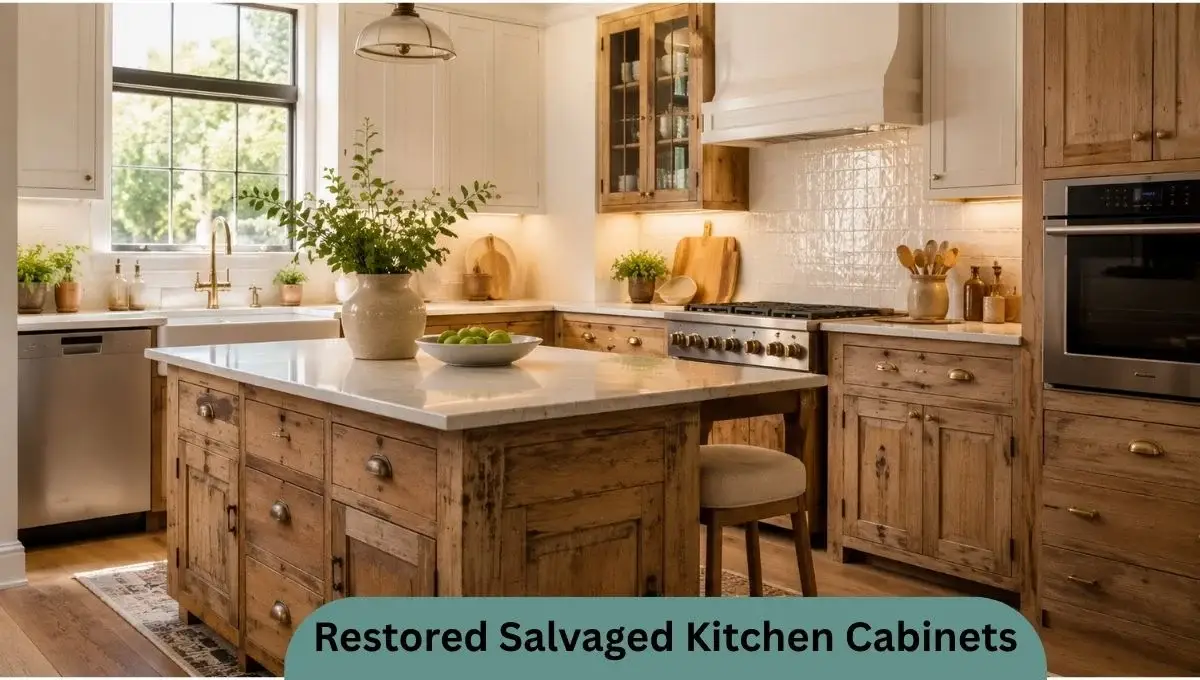
Salvaged kitchen cabinets can add older design details to a remodel while keeping useful materials in service. Some sets also cost less to buy than new cabinets. Still, fixed sizes, hidden damage, missing parts, and transport needs can turn a good deal into a difficult project.
Quick Answer
Salvaged kitchen cabinets can be worth buying when the boxes are sound, the sizes fit, and the complete project cost makes sense. Damage, missing parts, or major modifications can erase the savings.
- Best benefit: Reuse may reduce waste and provide hard-to-find styles.
- Main risk: Damage, missing parts, and removal create extra work.
- Fit: Measure every cabinet and kitchen wall before buying.
- Safety: Older paint or moisture damage may need professional review.
- Complete cost: Include transport, repairs, changes, and installation.
What Are Salvaged Kitchen Cabinets?
Salvaged cabinets are existing cabinets removed from a building for reuse. They may come as a full kitchen set, a partial set, one cabinet, an old hutch, or separate doors.
- Used cabinets were previously installed and are being sold again.
- Architectural salvage cabinets are often valued for older design, materials, or historic character.
- Antique cabinets have age or period features, but may not suit a working kitchen.
- Surplus cabinets may be unused overstock, display pieces, or discontinued stock.
- Reclaimed-wood cabinets are new or custom cabinets made from recovered lumber, not old cabinets removed from another kitchen.
The Kitchen Cabinets Complete Guide explains common cabinet materials, styles, and buying points.
What Are the Pros and Cons of Salvaged Cabinets?
Benefits may include material reuse, lower purchase cost, unusual styles, and refinishing potential.
Inventory is limited, sizes are fixed, and a “complete” set may still lack fillers, side panels, shelves, toe kicks, moldings, doors, or hardware. Many pieces are sold as-is with limited returns.
Small scratches may be repairable. Swollen boxes, major delamination, twisting, or severe moisture damage may make a set unsuitable.
What Should You Inspect Before Buying?
Cabinet Boxes
Check that each box is firm and reasonably square. Look for loose joints, cracked rails, damaged backs, bowed shelves, split wood, swelling, delamination, or twisting.
Older cabinets may use plywood, MDF, particleboard, veneer, or mixed materials. Even solid wood can be a poor buy when joints are weak or moisture damage is severe.
Doors, Drawers, Shelves, and Hardware
Open every door and drawer. Check for warping, loose frames, broken glass, chipped veneer, weak drawer bottoms, damaged slides, stripped screw holes, and missing fronts.
Count shelves, hinges, pulls, pins, and drawer parts. One missing door can create a large matching problem.
Water, Mold, Odors, and Pests
Inspect the sink base, cabinet bottoms, backs, toe-kick area, wall-facing surfaces, and drawer cavities. Look for stains, soft spots, swelling, peeling veneer, musty smells, grease, smoke odor, insect damage, or rodent evidence.
Do not identify mold from a photo. EPA guidance says moisture problems should be corrected quickly and wet materials should be dried completely. Large or uncertain mold problems may need experienced professional help.
Are Old Painted Cabinets Safe to Refinish?
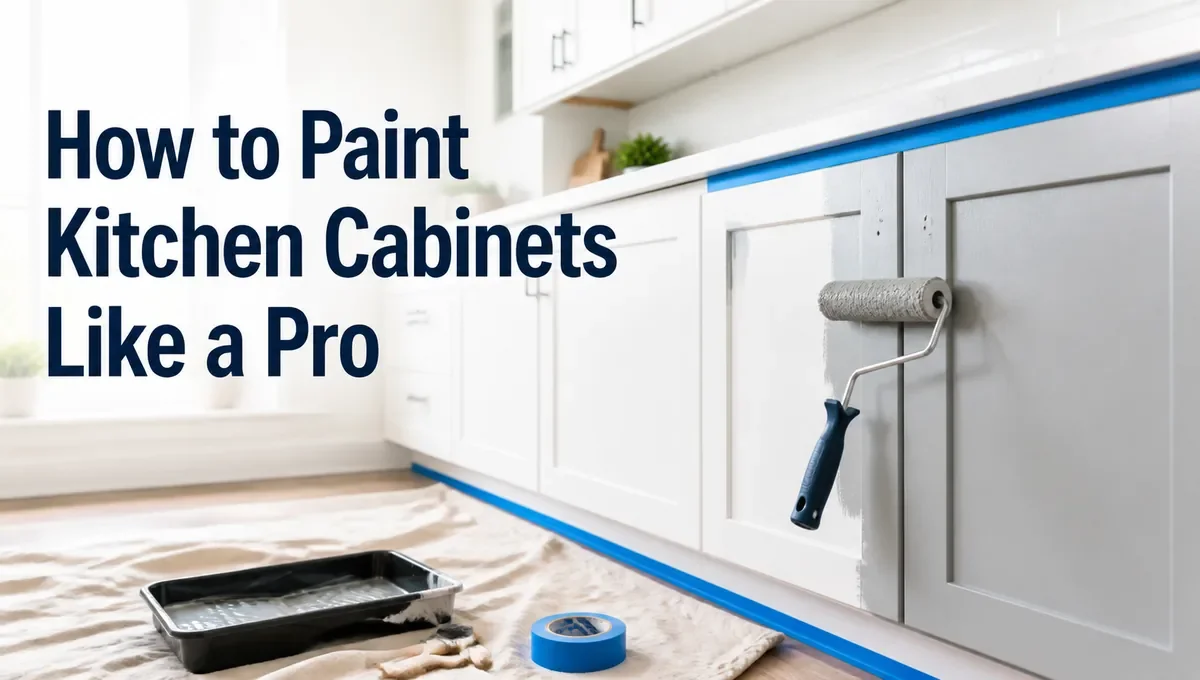
Older cabinets may have unknown paint layers. Do not sand, scrape, cut, drill, or heat-strip them until you understand the coating and local safety rules.
In the United States, work that disturbs painted surfaces in many pre-1978 homes can create lead-contaminated dust. EPA recommends lead-safe practices and certified renovators for covered paid work. Homeowners should review current rules and consider testing or qualified help before disturbing old paint.
Not every old cabinet contains lead. Check its age and history, test where appropriate, and avoid creating dust from unknown paint.
Measure the Cabinet Set and Your Kitchen
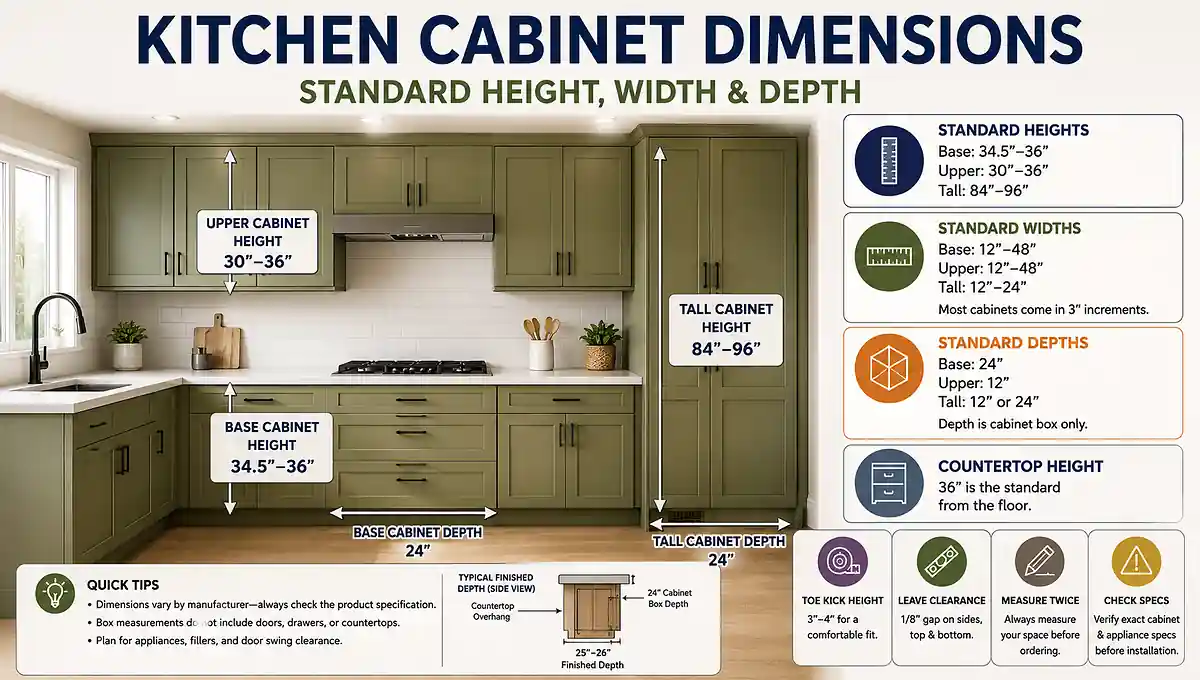
Do not design from seller photos or estimated sizes. Measure every base, wall, pantry, corner, sink, and appliance cabinet. Record width, height, depth, door swing, drawer projection, and finished sides.
Create an inventory with a number, photo, dimensions, parts, hardware, and missing items for every piece. Mark finished sides because a previously hidden side may become exposed.
Measure the new room separately. Record wall lengths, ceiling height, doors, windows, corners, walkways, plumbing, electrical points, ventilation, and appliance sizes.
Older openings may not fit modern appliances. Verify appliance specifications before finalizing the plan.
Can Salvaged Cabinets Fit a Different Kitchen?
Yes, but the new layout should follow verified cabinet sizes rather than forcing every old cabinet into the room. Reuse is easier when widths fit available walls, corner units work, wall cabinets clear the ceiling, and appliance openings can be adapted.
New fillers, toe kicks, end panels, shelves, or moldings may solve small gaps. Major resizing can remove much of the expected savings.
Inspect the sink-base cabinet carefully. Old plumbing holes may not match the new location, while damaged bottoms or weak rails may need repair. A cabinet designer or experienced installer should review complex layouts before purchase.
Where Can You Find Salvaged Cabinets?
Common sources include architectural salvage stores, building-material reuse centers, Habitat ReStores, deconstruction companies, salvage yards, remodel listings, and online marketplaces.
Habitat says ReStores sell changing inventories of new and gently used furniture, appliances, home goods, and building materials. Confirm current availability, condition, included pieces, pickup rules, delivery, and return terms before planning a kitchen around a listing.
FlashyKitchen’s review of reuse and salvage inventory pages found complete sets, partial sets, single cabinets, built-ins, loose doors, and pickup-only items. Ask for a full inventory instead of relying on the words “complete kitchen.”
How to Plan Removal, Transport, and Storage
Ask whether the cabinets are already removed, who handles removal, whether loading is included, and what condition the pieces will be in after dismantling. An installed cabinet can be damaged during removal.
Photograph the layout, number each cabinet, label doors and drawers, and keep hardware with the correct unit. Use blankets and corner guards during transport.
Store them indoors in a dry area, off damp floors, and away from rain or extreme humidity. Use qualified help for plumbing, electrical work, heavy stone countertops, large built-ins, unknown old paint, or difficult removal.
Design Ideas With Salvaged Cabinets
Salvaged cabinetry does not have to look rustic. Try these combinations:
- Pair natural wood base cabinets with warm white countertops and simple upper cabinets.
- Use an old cabinet or hutch as an island or pantry feature.
- Keep a vintage glass-front cabinet as one accent piece.
- Paint a mixed set in one finish and use matching hardware.
- Combine salvaged lower cabinets with new light-colored uppers.
- Repeat the same countertop, toe-kick color, and end-panel treatment across old and new units.
Recovered cabinets may be oak, cherry, pine, birch, or another material. Compare grain and color before matching them with new white oak kitchen cabinets or reddish-brown cherry wood kitchen cabinets.
For a cottage or relaxed farmhouse look, pine kitchen cabinets show the softer grain and warm appearance often found in older pieces.
How Much Do Salvaged Cabinets Cost?
The purchase price is only one part of the completed cost. Your budget may also include removal, loading, transport, storage, cleaning, paint testing, repairs, missing shelves, hinges, drawer slides, fillers, side panels, toe kicks, moldings, hardware, refinishing, modification, countertops, installation, and disposal.
Use this simple comparison:
Purchase price + preparation + missing parts + modification + installation = completed kitchen cost
A low listing price can become expensive when pieces need repair or custom parts. Check sale terms, condition disclosures, pickup, delivery, and any seller guarantee before paying.
Are Salvaged Cabinets Really a Sustainable Choice?
Reusing serviceable cabinets can extend the life of existing materials and reduce the need for some new products. EPA describes salvage and reuse as ways to keep valuable building materials in use and reduce disposal.
The result still depends on cabinet condition, transport distance, repair work, replacement parts, refinishing materials, and expected useful life. A badly damaged set moved a long distance and heavily rebuilt may offer less benefit than a sound local set.
Are Salvaged Kitchen Cabinets Worth It?
They may suit homeowners who like reused or older materials, can work with fixed sizes, have a flexible layout, and can inspect the full set before purchase. They work better when skilled help is available for repairs and installation.
They may not suit projects needing exact sizes, fast installation, a full warranty, or perfectly matching parts. Avoid buying from photos alone.
Conclusion
Salvaged kitchen cabinets can be practical when the set is sound, complete enough, and suitable for the new layout. Before buying, inspect every cabinet, create a full inventory, verify room and appliance measurements, review paint and moisture concerns, and compare purchase, transport, repair, modification, and installation costs.