Solid oak wood offers a structural density and tensile strength that modern particleboard and medium-density fiberboard cabinets cannot replicate. Despite this durability, millions of homes feature honey oak cabinetry from the 1980s and 1990s that immediately drags down an entire interior design scheme.
Tackling an oak kitchen transformation does not demand an expensive, disruptive demolition or a five-figure replacement budget. By decoding the physics of wood undertones, executing professional-grade surface preparation, and strategically upgrading surrounding sightlines, you can turn heavy wood grain into a sophisticated asset.
Quick Answer
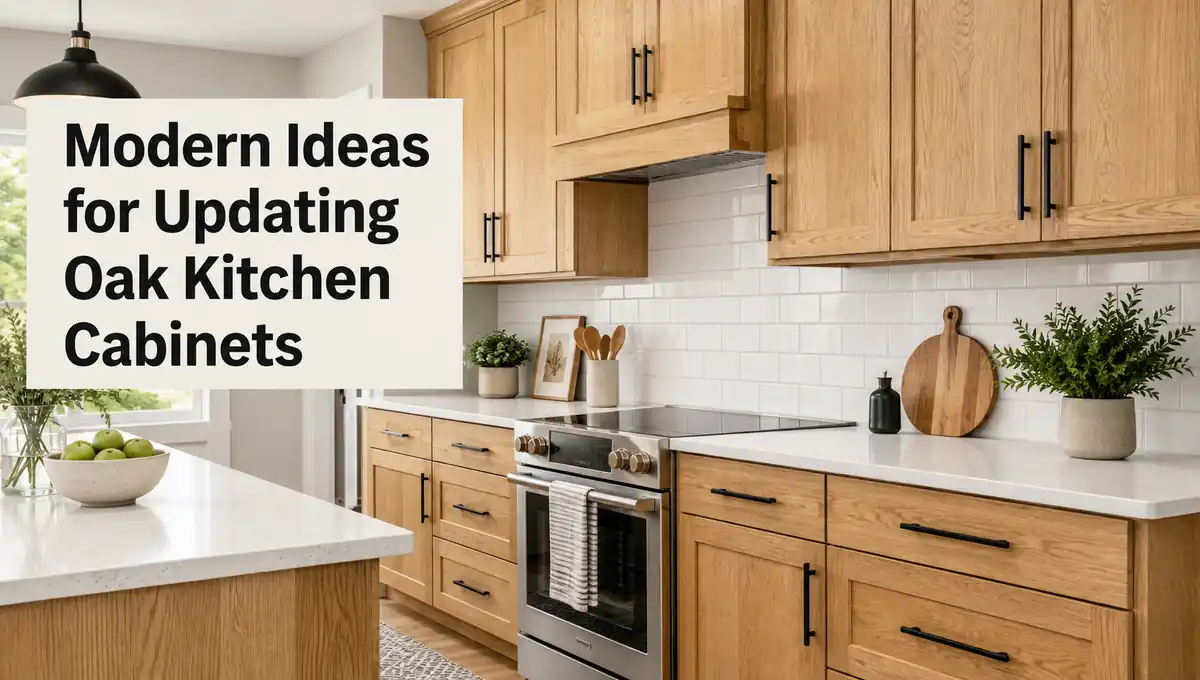
You can modernize honey oak kitchen cabinets by neutralizing amber undertones with cool lighting, replacing dated brass hardware with matte black pulls, and retrofitting soft-close hinges.
- Upgrade hardware: Replace small wooden knobs with clean bar pulls.
- Adjust lighting: Swap warm incandescent bulbs for 4000K LEDs.
- Fill wood grain: Apply a solvent-based paste filler before painting.
- Block tannins: Seal raw wood with a shellac-based primer.
- Modify doors: Convert arched raised panels into clean shaker profiles.
The Anatomy of Honey Oak: Why the 90s Style Dates Your Kitchen
The main reason honey oak feels challenging to update is color theory combined with wood chemistry. Traditional builder-grade oak finishes relied heavily on oil-based polyurethanes that amber aggressively over time.
This yellowing topcoat blends with the natural red, orange, and yellow tannins inherent in red and white oak species. The result is an inescapable orange glow that reflects light across the entire kitchen.
Many homeowners attempt to solve this by painting their kitchen walls a crisp, high-reflectance white or cool gray, only to watch their cabinets look more intensely orange than before. High-saturation cool colors create a harsh optical contrast that pushes warm wood tones forward rather than subduing them.
To truly neutralize orange wood tones, you must work directly with the color wheel. Desaturated, low-Light Reflectance Value (LRV) earth tones—such as deep charcoal, muted slate, or desaturated sage—absorb excess light and calm the visual temperature of the wood.
If you want to preserve the natural wood texture while eliminating the amber cast, you must strip the old finish entirely or use a chemical bleaching process. Professional woodworkers utilize two-part wood bleaching agents, such as Zinsser Wood Bleach, to break down the natural pigments and old varnishes down to a neutral raw canvas before sealing them with a clear, non-yellowing water-based matte poly.
Modernizing Oak Cabinets Without Paint
If you want to update honey oak cabinets without paint, your strategy shifts toward altering the surrounding visual weight, improving lighting, and upgrading hardware. Preserving the natural wood grain saves considerable labor while honoring the durability of solid timber.
Lighting dictates how wood grain reads in a closed space. Standard incandescent bulbs emit a warm, yellow spectrum that supercharges amber finishes. Upgrading to daylight or neutral white fixtures alters the baseline color temperature of the entire room.
For renters or homeowners looking for a completely reversible update, vinyl wrapping oak cabinets has become a viable alternative. High-grade architectural vinyl film can be applied smoothly over flat or slab drawer fronts. While it requires patience with a heat gun around corners and edges, matte charcoal or concrete-look vinyl wraps completely mask the wood grain without permanently altering the substrate.
Pairing the wood with modern solid surfaces also creates a high-end look. Upgrading old laminate countertops to a clean quartz surface with subtle veining balances the busy texture of the oak grain. Installing a geometric or clean white subway tile backsplash further breaks up the continuous wood blocks.
The Technical Reality of Painting Oak: Grain Filling and Tannin Blocking
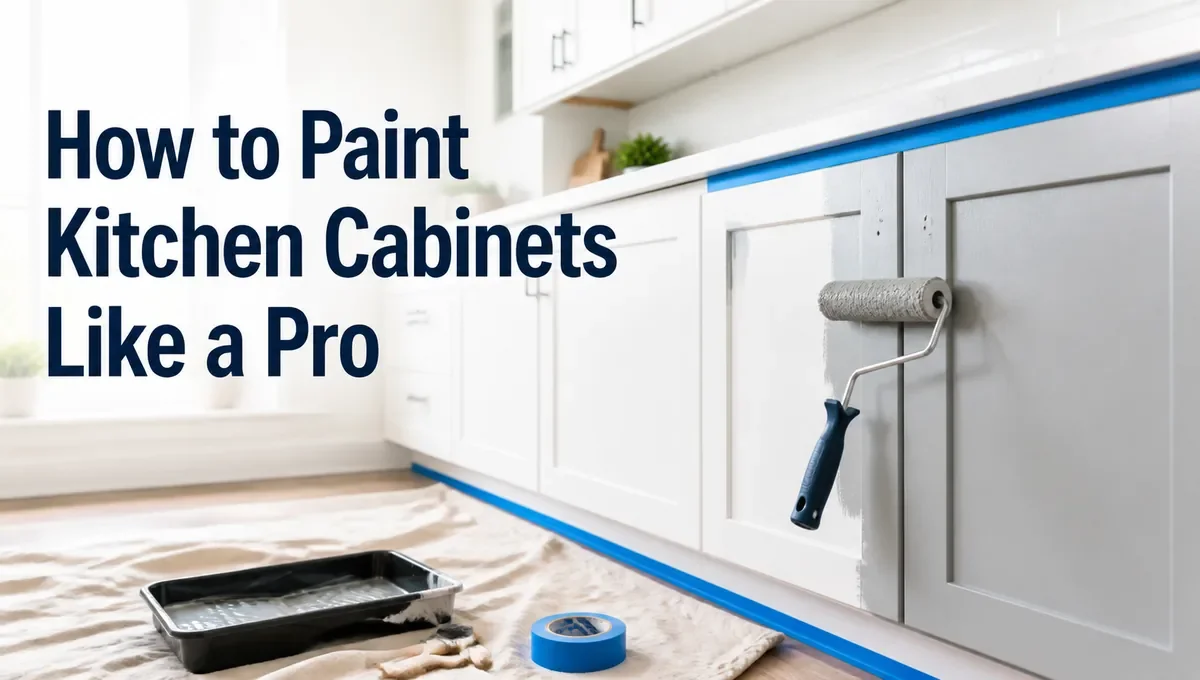
Painting oak requires an entirely different workflow than painting smooth maple or MDF. Oak is a ring-porous hardwood with deep, heavy grain lines. If you roll paint directly onto raw or lightly sanded oak, the paint will shrink into the pores, leaving a heavily textured surface that looks amateurish.
To achieve a factory-smooth finish, you must fill oak grain before painting. Apply a solvent-based wood grain filler across the doors and cabinet boxes using a flexible putty knife, working perpendicular to the grain to pack the pores. Once cured, sand the surfaces completely flat with 220-grit sandpaper.
The second major hurdle is tannin bleed. Oak wood contains natural water-soluble compounds that migrate through latex paint over time, turning white or light gray finishes into a blotchy yellow mess. You must apply a shellac-based tannin bleed blocking primer before laying down any topcoat.
When selecting colors, green paint with oak cabinets provides an exceptional balance because green sits directly opposite red and orange on the color wheel. Soft sage greens and deep forest shades neutralize the warmth of the wood naturally. Many homeowners also opt for two-tone kitchen cabinets with oak bottom boxes left in a dark stain and upper cabinets painted a clean, contrasting shade to draw the eye upward. Prices for professional cabinet enamel and primers range from $150 to $300 in material costs, varying by region and paint grade.
Modifying Cathedral Arches and Outdated Door Styles
The physical shape of 1990s cabinet doors is often what dates a kitchen more than the finish itself. Raised-panel cathedral arch cabinet doors carry heavy architectural lines that clash with modern design preferences.
Replacing every door in a kitchen can become expensive, but you can modify existing doors with basic carpentry tools. To convert a raised arched panel into a clean shaker style, cut thin strips of quarter-inch MDF to fit snugly inside the recessed profile of the door, framing out a sharp interior rectangle. Secure the trim with wood glue and brad nails before priming and painting.
Another structural intervention involves opening up the upper runs. You can carefully cut out the center plywood panel of upper doors using a router or jigsaw and replace the cabinet center panel with glass. Clear, frosted, or reeded glass inserts break up the heavy wall of wood, allowing you to display modern dishware while lightening the visual weight of the space.
If the cabinet boxes themselves are warped, water-damaged, or structurally unsound, painting or modifying the doors is a waste of time. In those instances, evaluating whether to repair or completely replace the boxes is the only viable path forward.
Hardware, Lighting, and Surrounding Materials
Small tactical upgrades often yield the highest visual return on investment. Older oak kitchens typically feature exposed, self-closing hinges with shiny brass plating and tiny wooden knobs.
Start by retrofitting soft-close hinges that mount entirely inside the cabinet box, eliminating exterior hardware clutter on the face frame. When selecting pulls, avoid tiny knobs that get lost in heavy wood grain. Opt for sleek, substantial pulls in matte black or champagne bronze hardware for oak cabinets. As a general sizing rule, drawer pulls should measure roughly one-third the total width of the drawer face to maintain visual proportion.
Lighting upgrades must go beyond swapping bulbs. While 4000K bulbs neutralize orange tones, adding under-cabinet LED strip lighting washes the countertops with clean illumination. This highlights the updated backsplash and pulls attention away from dated upper frames.
Oak Cabinet Modernization Methods Compared
| Modernization Method | Best For | Est. Cost (Per Door/Box) | Skill Level | Durability |
| Hardware & Lighting Swap | Preserving wood with minimal labor | $5 to $15 | Beginner | High |
| Gel Staining Over Oak | Neutralizing orange while keeping grain | $3 to $8 | Intermediate | Medium-High |
| Full Grain-Fill & Paint | Achieving a smooth, contemporary finish | $15 to $35 | Advanced | High |
| Shaker Trim Conversion | Eliminating cathedral arches cheaply | $8 to $20 | Intermediate | Medium |
Frequently Asked Questions
Can you modernize honey oak without painting?
Yes. You can neutralize orange tones by changing surrounding elements such as countertops, backsplash, and lighting. Installing cool-toned 4000K LED bulbs, switching to matte black hardware, and adding a clean white quartz countertop dramatically alters the room’s aesthetic without touching the wood finish.
Why is my painted oak kitchen turning yellow?
Yellowing over painted oak is almost always caused by tannin bleed. Natural wood oils migrate through standard latex paint over time. To prevent this, you must seal the wood with a high-adhesion, shellac-based tannin-blocking primer before applying your final topcoat enamel.
How do you hide deep wood grain when painting?
To hide oak grain, you must manually apply a paste wood grain filler across all surfaces using a putty knife. Once dry, sand the entire surface flush and smooth. Skipping this step means the porous wood texture will remain visible beneath the paint layer.
Conclusion
Transforming an outdated wood kitchen does not require an expensive demolition. You can make oak kitchen cabinets look modern by neutralizing orange undertones with cool-toned color pairings, upgrading to concealed hinges with matte black pulls, or executing a thorough grain-filling and painting workflow. By focusing on surface preparation and strategic hardware upgrades, you can preserve durable hardwood boxes while achieving a sleek, contemporary kitchen design.
One thought on “How to Make Oak Kitchen Cabinets Look Modern”