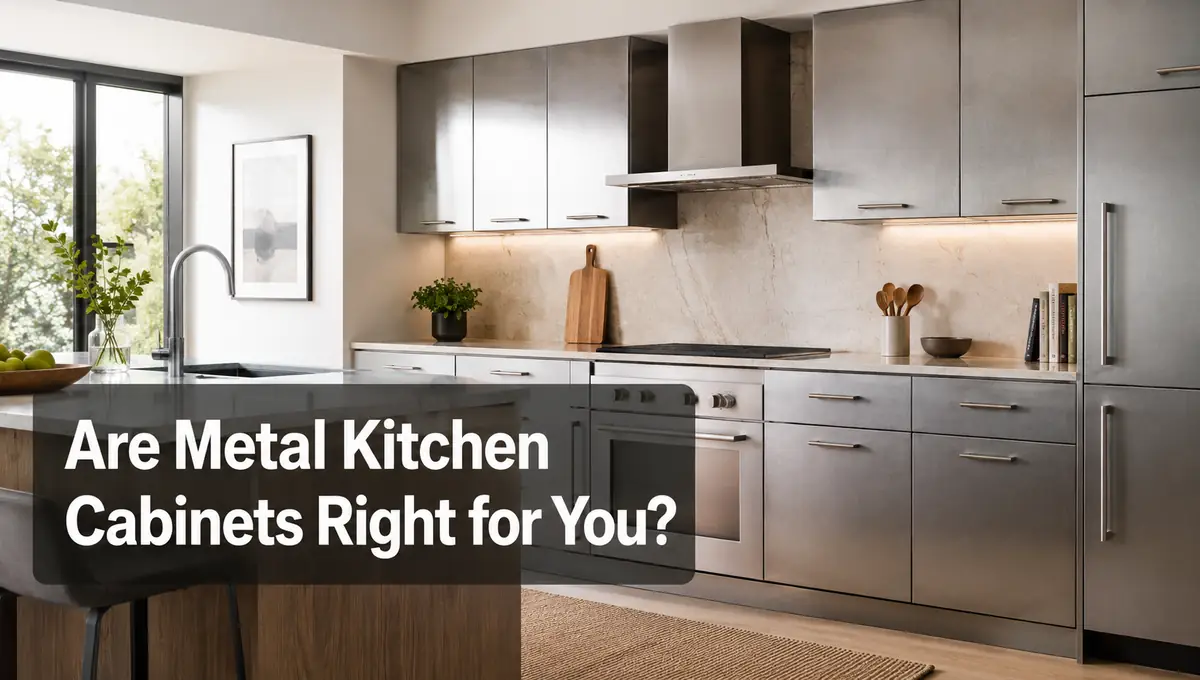
Metal kitchen cabinets can be a smart alternative to wood, but the word “metal” covers very different products. Stainless steel, powder-coated steel, painted steel, aluminum, and metallic-look fronts do not perform the same way.
The right choice depends on moisture, scratches, dents, budget, design style, and whether the cabinets will sit indoors or outside. Before comparing prices, identify the actual cabinet material.
This guide explains the benefits, limitations, current cost ranges, vintage options, design ideas, rust risk, and refinishing choices. By the end, you should know which metal fits your kitchen and when wood is the better choice.
Quick Answer
Metal kitchen cabinets work best when moisture resistance, easy cleaning, and a crisp industrial or modern look matter more than warm wood character. Stainless steel is usually the most practical all-around option when corrosion resistance matters, while coated steel offers more color choices.
- Identify the metal before comparing prices.
- Expect fingerprints, scratches, or dents on some finishes.
- Match stainless grade to the environment.
- Mix metal with wood or stone for a softer look.
- Restore sound vintage steel cabinets before replacing them.
What Counts as a Metal Cabinet?
A true metal cabinet uses metal for most or all of the box, frame, doors, or drawer fronts. Current manufacturer ranges also include metallic-look fronts that use conventional cabinet substrates, so identify the construction before comparing performance.
| Type | What it is | Main concern |
|---|---|---|
| Stainless steel | 304 or 316 stainless construction | Grade, dents, fingerprints |
| Coated steel | Steel under paint or powder coat | Coating damage can expose steel |
| Aluminum | Non-ferrous metal construction | Dents and surface wear |
| Metallic-look front | Conventional front with metallic finish | Not true metal construction |
Check the actual cabinet materials before comparing products. Powder coating describes the finish, not the alloy underneath; some stainless cabinet systems use powder-coated exteriors over 304 or 316 stainless.
What Are the Pros and Cons of Metal Kitchen Cabinets?
Metal kitchen cabinets resist moisture-related swelling and are easy to wipe clean, but cosmetic wear can be more obvious than homeowners expect. A cabinet can stay structurally sound while its surface shows dents, fingerprints, scratches, chipped coating, or corrosion.
Stainless steel has strong corrosion resistance and no wood-fiber core that can swell from water. That makes it useful where repeated moisture is a concern.
That does not make every finish maintenance-free. Brushed stainless can show scratches, reflective surfaces can show fingerprints, and painted steel can rust where its protective coating fails.
Dents are another practical limit. A steel door may keep working after an impact but still show a permanent low spot that is harder to hide than a small scratch in painted wood.
Noise depends on construction. Some current stainless systems use an internal sound-damping core specifically to reduce closing noise.
Do not treat corrosion resistance as zero maintenance. Remove salt, chemicals, and standing water promptly, especially outdoors or near the coast.
How Much Do Metal Cabinets Cost?
Metal kitchen cabinets usually sit toward the premium end of the cabinet market, especially with custom stainless steel. Current 2026 sources use different pricing units, so a whole-kitchen figure should not be averaged with per-cabinet fabrication prices.
A June 2026 US cabinet-cost guide places stainless-steel kitchen cabinetry around $25,000 to $38,000. Prices vary by region, kitchen size, installation scope, steel grade, finish, and customization.
At the cabinet-unit level, one current custom supplier publishes roughly $750 to $1,000 per stainless cabinet before final on-site installation. Per-unit prices also vary by region, freight, fabrication source, and installation scope.
Those figures are not directly comparable because one describes a whole-kitchen category and the other describes individual units.
Custom work costs more with unusual sizes, welded details, specialty finishes, premium hardware, freight, or complex installation. A lower quote may also exclude fillers, toe kicks, delivery, removal, or final fitting.
Before comparing quotes, confirm what is included. The complete cabinet guide can help you compare metal with stock, semi-custom, and other cabinet construction options.
Are Metal Cabinets Better Than Wood?
Metal is better than wood-based cabinetry in some moisture-heavy, outdoor, or industrial-style settings, but it is not a universal upgrade. Wood offers warmer appearance, broad stock availability, and easier traditional repair, while metal offers stronger resistance to swelling and a cleaner industrial look.
| Factor | Metal cabinets | Wood-based cabinets |
|---|---|---|
| Moisture | No wood-fiber swelling | Depends on core and sealing |
| Cosmetic wear | Can dent or scratch | Can dent, scratch, chip, or swell |
| Style | Industrial to minimal | Traditional to modern |
| Repair | Finish-specific | Often easier to patch or refinish |
| Outdoor use | Strong with correct metal | Needs careful weather protection |
| Cost | Often premium | Wider price range |
The best choice depends on what failure you are trying to avoid. Near repeated moisture, metal may earn its premium; where warmth and easy color changes matter more, wood may be simpler.
Metal and wood can also work together. Stainless lowers beside warm oak uppers reduce the commercial feel.
If you already own usable cabinets, compare refinishing versus refacing before replacing the entire system just to change the surface.
Do Metal Cabinets Rust?
Some metal cabinets can rust, but the risk depends on the metal, finish, and environment. Ordinary painted steel relies heavily on its protective coating, while stainless steel forms a corrosion-resistant surface layer and handles normal kitchen moisture much better.
Stainless is still not immune to every condition. Salt, chlorides, contamination, damaged surfaces, and poor cleaning can increase corrosion risk.
For normal indoor kitchens, 304 stainless is widely used. Type 316 contains added molybdenum and has better corrosion resistance than 304 in chloride-heavy environments, so it becomes more relevant near coastal air or salt exposure.
That does not mean every homeowner should pay extra for 316. In a normal indoor, inland kitchen, 304 may already meet the practical need.
For outdoor cabinets, ask for the actual stainless grade and hardware material. Current outdoor systems commonly distinguish 304 from 316L by exposure, with 316L aimed at harsher salt conditions.
Use outdoor kitchen ideas to decide where weather-resistant cabinetry will sit. A covered patio and an exposed coastal deck create very different demands.
Powder-coated steel needs another check: ask what metal is under the coating. If a deep chip exposes ordinary carbon steel, that spot can become a corrosion starting point.
Modern Metal Cabinet Ideas That Work at Home
Metal cabinetry does not need to make a home look like a restaurant. The easiest way to soften it is to use it selectively and pair it with warmer or quieter materials. Current design programs use the same approach by combining metal fronts with wood, stone, and other surfaces.
- Pair brushed stainless lower cabinets with wood uppers.
- Use a stainless island with a painted perimeter.
- Combine black powder-coated metal with warm wood and stone.
- Use metal-and-glass wall cabinets to reduce visual weight.
- Choose white or muted powder-coated steel when raw stainless feels too industrial.
Black metal cabinets work well with matte finishes and enough natural or task lighting. White metal cabinets keep the coated-steel look lighter.
Industrial metal cabinets fit best where exposed metal already belongs. In a traditional kitchen, limit metal to an island or lower run.
Corrugated and highly reflective finishes are more specialized, so use them as accents.
Keep or Replace Old Metal Cabinets?
Old metal cabinets are worth inspecting before removal because fitted steel cabinetry was a documented part of mid-century US kitchens, with examples from the 1940s and 1950s still well represented in archival research. Age alone is not a reason to replace a complete, working set.
For vintage steel kitchen cabinets, check rust depth, door alignment, drawer movement, missing parts, coating condition, and whether the layout still works. Light surface rust and tired paint are different problems from perforated boxes, badly bent doors, or failing hardware.
A complete 1950s cabinet run can be hard to match if one section is removed. Keeping it may preserve both function and period character.
Refurbished steel cabinets can take many colors, but restoration only makes sense when the steel and hardware remain sound.
Do not assume an old cabinet set has a fixed resale value. Manufacturer, completeness, condition, location, removal difficulty, and buyer demand can all change the outcome.
If the boxes are sound but you dislike the doors or visible style, cabinet refacing may be worth comparing. Confirm that a contractor can work with your specific metal construction before assuming standard refacing methods apply.
Can Old Metal Cabinets Be Painted or Refinished?
Old metal cabinets can often be painted or refinished when the steel remains structurally sound. The new coating will only be as reliable as the rust treatment, cleaning, and old finish below it.
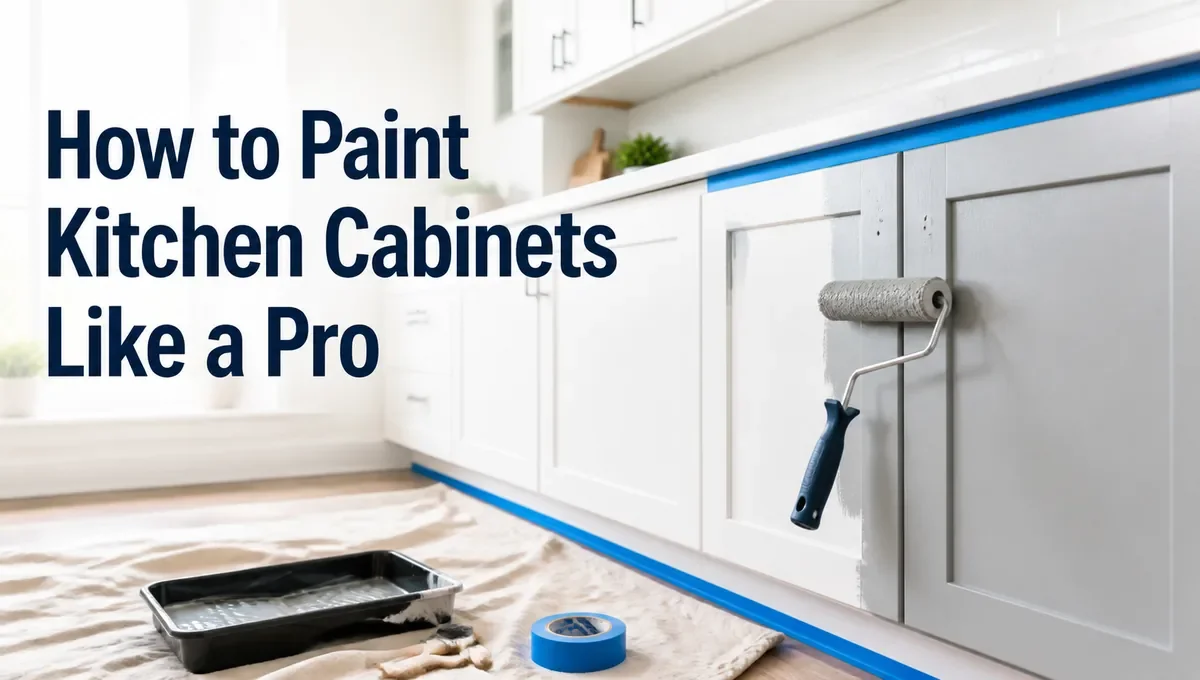
Identify whether the existing paint is sound, peeling, or hiding corrosion. Surface preparation may include degreasing, removing loose paint, treating rust, sanding compatible areas, applying a metal-compatible primer, and using a topcoat designed for the substrate.
Do not paint over active rust or loose old coating. A smooth new layer over a weak base can fail with the layer underneath it.
Spray painting can produce an even finish, but it adds masking, ventilation, overspray control, and equipment. Badly failed coatings may justify professional work.
For labor and pricing context, compare current cabinet painting costs before assuming DIY will save enough money.
Vintage paint creates a separate safety issue. In pre-1978 US homes, painted surfaces may contain lead; disturbing them during renovation can create hazardous dust, so test and plan lead-safe work before sanding or stripping.
Are Metal Cabinets Right for Your Kitchen?
Metal kitchen cabinets make the most sense when moisture resistance, easy cleaning, outdoor durability, or a modern industrial look matters enough to justify the cost. Choose the actual metal first, then check finish, corrosion exposure, construction, and quote scope. If you own sound vintage steel cabinets, price restoration before removing them. If warmth, easy repair, or lower-cost stock options matter more, wood-based cabinets may be the better fit.